Here’s what a threat actor can do with your emails without even having a password

Quick Answer
An attacker with just your email address (no password) can still cause real damage. They can spoof your address using lookalike domains (vvasher@gmail.com substituting double-v for w), trace your real identity through reverse email lookup tools that pull public records and social profiles, sign you up for unwanted services to spam your inbox or hide a real account compromise notification, harvest details for resale on dark web markets that fuel later phishing or BEC, send phishing attempts impersonating you to your contacts, and use the address as a starting point for credential stuffing against other sites where you reuse passwords. Defend by enabling DMARC at p=reject on your sending domain, using unique passwords with a manager, enabling MFA, and being cautious about where you give out a primary email.
Here’s what a threat actor can do with your emails without even having a password
You wonder what can a malicious actor do with your email and no password? Well, a lot!
You have to enter your email addresses at many day-to-day places. Organizations store them to send you newsletters, general updates, notifications, medical communications, etc. So, if an adversary gets their hand on your email address, they can exploit your personal and financial information, contact your family and friends, gather information about your work, etc.
If you aren’t careful, then you can end up jeopardizing a lot. So keep reading to know how you can save yourself and the people linked to you.
Spoof your email address
If an ill-intended person knows your email address, chances are they might create a similar one using the typography technique, where there’s just a slight variation that often goes unnoticed by recipients. For example, if your brand’s email address is washer@gmail.com, they can create a spoofed address– vvasher@gmail.com. In this example, they have replaced w (the 23rd letter in the English alphabet series) with double v (the 22nd letter in the English alphabet series).

Stalk you
Threat actors (or anyone, for that matter) can easily trace your email address to your identity, especially if your name is uncommon. We often give our email addresses for services, forums, security purposes, etc., and they include our real names and sometimes physical addresses as well.
In some cases, adversaries have used a version of the target’s real name to generate a new username. In this age, we heavily use social media and often share our personal details and moments, allowing malicious people to exploit these details against us.
You may not know, but there is something called an online ‘reverse email lookup’ tool that also tells the actual names of the people linked to an email address. Some reverse email lookup tools, such as CocoFinder, often give additional information, including phone numbers.
Expose your personal details
Cybercriminals can extract sensitive details and sell harvested email addresses on the dark web, enabling other malicious actors to launch further attacks, such as spam campaigns or targeted malware distribution. They can also trick you into paying ransom if they happen to get access to confidential files and encrypt them.
Sign you up for unsolicited and risky subscriptions
Once a bad actor has your email address, they can sign you up for anything from dating websites to shady product pages and whatnot. This will incur not only financial damage but also reputational and emotional destruction. And let’s not even get started on how it can also drown you in legal troubles.
General tips to avoid the above situations
- Don’t reuse the same password on multiple websites.
- Enable two-factor authentication.
- Unsubscribe unwanted newsletters, promotional emails, etc.
- Be selective about who should know your email address. Avoid sharing it freely with anyone and everyone.
- Use dark-web-monitoring services to get alerts whenever your information is included in a data breach or sold online.
- Don’t share personal details on social media, especially when you let people know when you will be out of town.
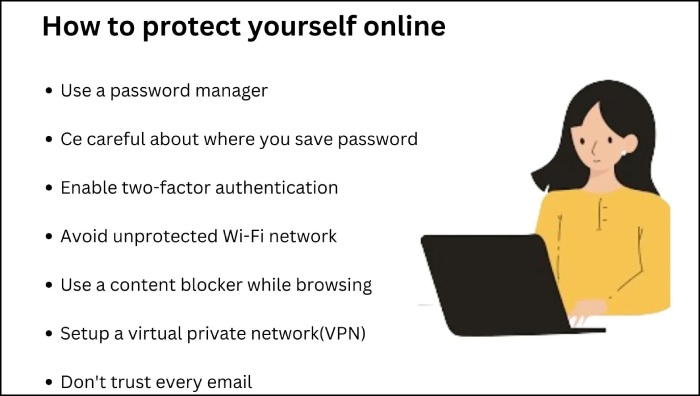
Follow these essential guidelines to enhance your email security and strengthen your overall cybersecurity.
Topics
General Manager
General Manager at DuoCircle. Product strategy and commercial lead across the email security portfolio.
Secure your email infrastructure
Protect, authenticate, and deliver. Contact our team to find the right solution.